
The "Body and Movement" workshop at the Bridges Academy
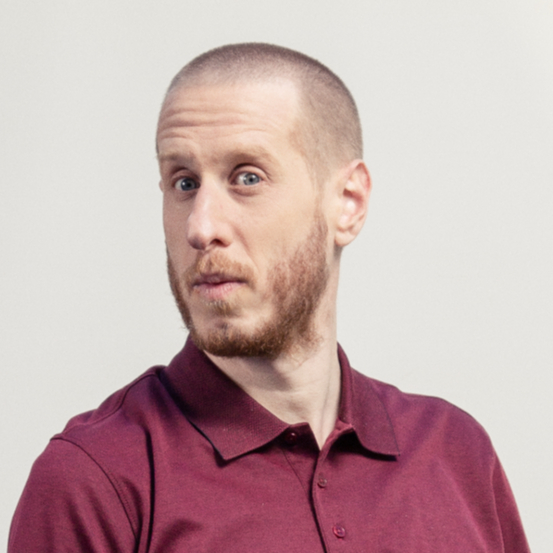
Some stories are told without words. What stayed with me from the Academy is that, in those stories, how something is done matters as much as what is done. The workshop I taught was shaped by both dance and theatre, exploring how movement, rhythm, space, and expression work together. We told stories and built worlds, and each exercise looked at a different part of that.
We walked on a grid, stopping to take sharp turns. Then we walked in curves with no set direction, switching between the two. We played with tempo on a scale from one to ten, and with shape, from symmetrical to abstract. We also noticed the architecture around us and how the other people in the room influenced the way we moved.
Next came rhythm exploration. We started from a relaxed state of slow breathing and moved into fast walking through the space, going from scattered to focused and present. We looked for gaps and empty space in every direction: left, right, up, and down. If someone walked fast, someone else walked slowly, so no two people shared the same rhythm. It became a walk of contrasts. When we stopped, we could make contact with someone, or set a fixed point and hold the tension. Then we released, changed direction, and made opposites with our movements. We kept asking, “What’s missing?”, and the task was to do what wasn’t there. In the end, we combined an action with a fixed point. We also practiced synchronizing our movements to different beats and rhythms, and changing how we moved when the rhythm shifted.

The scene-painting exercise built scenes that gradually became more free-flowing. In the first round, one group described the scene, and the other group played it out. In the second, one group described the scene, then played it out, and switched roles within the scene. In the third round, you simply became the scene without describing it. The description used the senses: sight, sound, touch, taste, and smell. The next performer added detail to an existing element, then introduced a new one, filling in the gaps in the stage picture. The elements could be objects, characters, or concepts, and dialogue and interactions grew out of them. This is where worldbuilding became concrete.
In pictures, we painted through the space without words. We started with slow, deliberate movements and worked up to fast, dynamic ones. We moved across levels (standing, kneeling, and working on the floor) and traveled along different pathways and directions. We used our bodies to make shapes, curves, and angles.
We finished with push, pull, and embrace. To push is to project your energy outward to move, reject, or influence something. To pull is to draw energy, an object, or another person toward yourself. To embrace is to open up and receive, accept, and hold the space or person around you. We added our own gestures and emotional states to the game and explored how our body energy changed, and how it felt to meet each other’s energies.
Contrast kept coming back throughout: fast and slow, movement and stillness, action and what was missing, pushing and embracing. Each emotion was predicted by its own set of movement elements, which matches the sense that the same gesture says something different depending on how it is done.
Across it all, one idea kept returning: a story can live in the body before it lives in words. We learned that how we move changes what we say, that rhythm and space shape how we meet each other, and that we build a scene one detail at a time.
—Peter Frankl


Comments